

CakhiaTV copyright questions come up more often than most people expect, usually from viewers who have noticed that the same match has a different broadcaster in every country and want to understand why. Football rights are genuinely complicated, they shape what you can legally watch and where, and they fund a large part of the sport itself. This guide explains how the system works, what it means for viewers here, and how CAKHIATV handles rights enquiries when they arrive.
Broadcast rights behind CakhiaTV copyright questions
Five points cover the basics of how football rights actually work, and they explain most of the confusion.
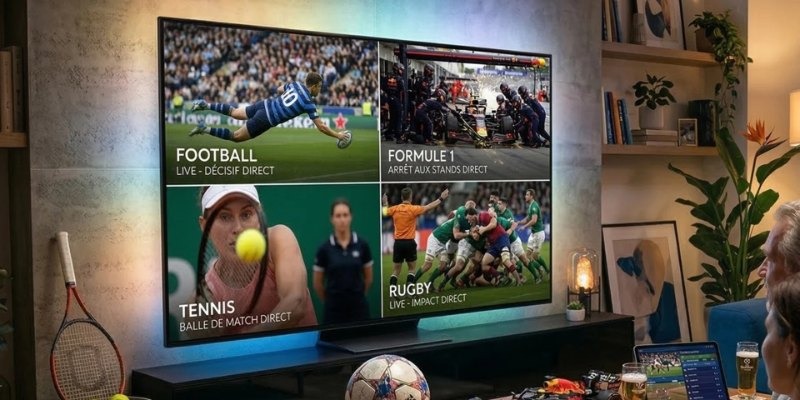
A broadcast camera at a stadium relating to CakhiaTV copyright
- The competition organiser owns the rights to its matches rather than the clubs individually, which is why a league sells its whole package centrally and why an individual club cannot licence its own home fixtures separately.
- Rights are sold territory by territory, meaning a broadcaster buys the right to show matches in one country only, and this is the single fact that explains most bản quyền CakhiaTV questions people ask.
- The same match therefore has different official broadcasters in different countries, with different commentary, different scheduling and sometimes different rights windows entirely.
- Sub-licensing allows a rights holder to pass some or all of its coverage to another broadcaster, which is why a match can appear on a channel that did not buy the original package.
- Rights revenue funds a substantial share of professional football, paying for wages, facilities and youth development, which is the practical reason CakhiaTV copyright matters beyond being a legal formality.
What CakhiaTV copyright means for viewers in Vietnam
Understanding the system is one thing, and knowing how it applies to your own viewing is another.
A viewer checking CakhiaTV copyright information on a phone
Which broadcasters hold rights locally
Official rights for major European competitions in Vietnam sit with licensed broadcasters, and those arrangements change between rights cycles rather than staying fixed. Checking who currently holds the rights for a competition you follow closely is worth doing, and it takes a few minutes. Anyone with a genuine interest in CakhiaTV copyright matters should know this rather than assume it, since the answer differs by competition and by season.
How to identify a licensed stream
Licensed services are generally straightforward to recognise. They operate openly under a company name, publish terms and contact details, and charge transparently for what they provide. They also tend to appear in broadcaster listings rather than only in search results. These signals are more reliable than the appearance of a page, which is easy to imitate.
Risks of unverified third-party links
Beyond the rights question there is a practical safety issue. Unverified pages and mirror sites are where installs, credential requests and redirect chains live. Anyone thinking about CakhiaTV copyright should also think about basic security, since the 2 problems tend to appear together on the same badly run pages.
Raising a CakhiaTV copyright concern
Rights holders and viewers both occasionally need a route to report something, and knowing what that looks like helps.
A copyright notice form relating to CakhiaTV copyright enquiries
What a valid notice contains
A useful notice identifies the specific content in question rather than describing a general concern, names the rights holder and the basis for the claim, gives the location where the material appears, and provides contact details for follow-up. Vague complaints are difficult to act on, and that is true of any platform rather than being specific to CakhiaTV copyright processes. Specificity is what allows a report to be verified and resolved quickly.
Where to send it
Contact routes are published in the site footer alongside the policy pages, which is where rights enquiries should go rather than to social accounts or comment threads. Official channels are also where address changes and policy updates are announced, so they are worth locating once rather than searching for during an urgent situation.
What happens after a notice arrives
A valid notice is reviewed and acted on according to the published policy. Individual replies to every enquiry are not realistic at scale, and claiming otherwise would be dishonest, but reports do get processed. Anyone submitting a CakhiaTV copyright notice should keep a record of what was sent and when, which is standard practice for any rights correspondence.
Why CakhiaTV copyright matters to the sport
The legal framework exists for reasons that reach well beyond the platforms arguing about it.
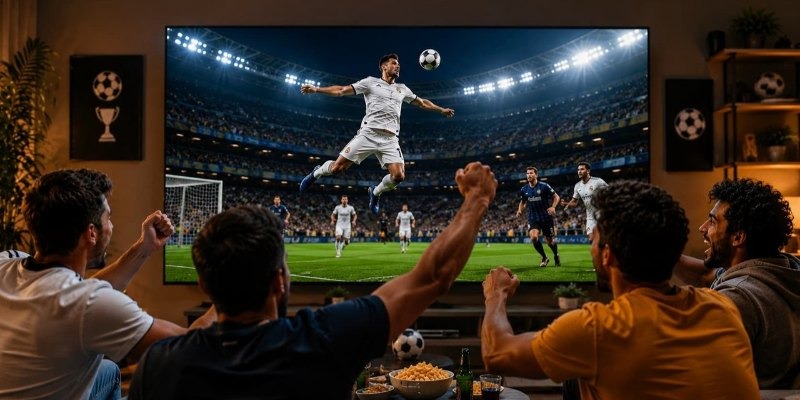
A packed stadium illustrating why CakhiaTV copyright matters
- Broadcast revenue is one of the largest income streams in professional football, funding the wages, infrastructure and academies that produce the matches people want to watch in the first place.
- Smaller leagues and domestic competitions depend on rights income proportionally more than the biggest ones do, so the effects of a weakened rights market are felt hardest well below the elite level.
- Territorial exclusivity is what allows broadcasters to invest in local production, including commentary in the viewer’s own language, which is a direct benefit to audiences rather than only to companies.
- The system is imperfect and genuinely frustrating for viewers who follow several competitions, since it can require multiple subscriptions to watch what feels like one sport, and that frustration is reasonable rather than something to dismiss.
- Understanding how it works makes you a better informed viewer, which is the practical purpose of publishing CakhiaTV copyright information rather than leaving the subject unaddressed.
It is worth being honest about the tension here. Viewers want convenience and breadth, rights holders want to protect what they paid for, and those interests do not align neatly. Pretending otherwise helps nobody. What is reasonable to say is that knowing who holds the official rights for the competitions you follow lets you make a deliberate choice rather than an accidental one, and CakhiaTV publishes its policy and contact routes openly so that the information is available rather than hidden.
The other reasonable point is that this changes over time. Rights cycles run for a few years and then the picture shifts, sometimes substantially. A broadcaster that held a competition last season may not hold it this one, so a check made 2 years ago is not necessarily still accurate today.
Conclusion
CakhiaTV copyright questions nearly always trace back to one fact: football rights are sold territory by territory, which is why the same match has different broadcasters in different countries. Know who holds the official rights for the competitions you follow, recognise that those arrangements change between cycles, and use the published contact route for any rights enquiry rather than social channels. CakhiaTV keeps its policy and contact pages accessible in the footer, which is where anyone with a concern should start.