

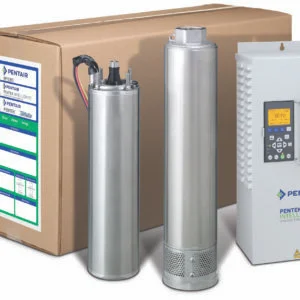
If you are tired of the shower pressure dropping when someone flushes the toilet, or if your washing machine takes forever to fill when dishwasher is running, you are at teh right place. You might be used to these hassles, but you don’t have to put up with them. Most well systems use traditional pressure tanks that create a constant cycle of high and low pressure. Water pressure builds up, then drops as you use it, then builds again. This cycle repeats endlessly. It wears out your pump faster than it should. It also wastes energy and frustrates anyone trying to use water in your home. A constant-pressure well pump changes this pattern completely.
What Makes Constant Pressure Systems Different
Traditional well pumps work on a simple on-off system. The pump continues until your pressure tank is up to about 60 PSI, then it turns off. But as you continue using water, the pressure reduces to about 40 PSI, and the pump turns on. This 20 PSI swing is what causes those annoying pressure changes. Constant pressure well pumps use variable speed drives. The pump changes speed depending on the amount of water you are currently using. Need more water? The pump goes faster. Using less? The pressure is constant at the level you want, usually 50-60 PSI.
The Real Cost of Inconsistent Pressure
Let’s talk about what inconsistent pressure actually costs you. Your traditional pump cycles on and off multiple times per day. Each startup draws a surge of power. That’s expensive. The constant stopping and starting also creates mechanical stress on pump components. Here’s what most people don’t realize: that pressure swing damages your plumbing over time. Pipes expand and contract with each cycle. Faucet seals wear faster. Appliances connected to your water line experience stress they weren’t designed to handle.
What About Installation Complexity?
Installing a constant-pressure well pump requires more upfront work than swapping a traditional pump. You need a variable speed drive controller. Your electrical setup might need upgrades to handle the system properly. Some homes require additional wiring or circuit modifications. Professional installation typically runs higher than basic pump replacement. The controller alone adds cost. You’re looking at a bigger initial investment.
When Upgrading Makes Sense
You have multiple bathrooms and people using water simultaneously throughout the day. Constant-pressure systems shine in homes with high concurrent water demand. One person showering while another runs the dishwasher? No problem. Your current pump is nearing the end of its lifespan anyway. If you’re replacing a pump that’s 10-12 years old, the upgrade cost becomes more reasonable.
You’d be paying for installation either way. Water pressure issues frustrate you daily. Some people tolerate pressure swings. Others find them unacceptable. Only you know which category fits your household. You plan to stay in your home long-term. The payback period on energy savings and extended pump life takes several years. Short-term homeowners might not recoup their investment.
Common Concerns Homeowners Raise
What if the controller fails? Controllers do fail sometimes, just like any electronic component. Good systems include bypass options that let you run the pump in traditional mode if needed. You’re not completely helpless if something breaks. Does depth matter? Constant pressure systems work with most well depths. Very deep wells (over 500 feet) might see less benefit. Shallow wells under 200 feet typically perform great. Can you retrofit existing systems? Most homes can retrofit a constant-pressure system onto their current well setup. You keep your existing well, piping, and pressure tank. The pump and controller are what change.
Maintenance Requirements
Check the controller settings annually. Inspect electrical connections. Monitor system performance for any unusual changes. The pressure tank still needs occasional air charge checks. Sediment filters require regular replacement if your water quality demands them. These tasks don’t change much from traditional setups.
Making Your Decision
Begin by assessing the age and performance of your existing system. An 8-10 year old pump that is laboring is a good candidate for an upgrade. Newer pumps probably don’t justify replacement yet unless pressure problems drive you crazy.
Take a look at how much water you use on a daily basis. If your family uses 300 to 500 gallons of water per day, you will probably notice more benefits than someone who uses 50 to 75 gallons. The math simply works better at higher volumes. Get quotes from multiple well pump contractors. Prices vary significantly between installers. Some may offer better warranties or utilize better components. Don’t automatically choose the cheapest one. Think about your local electricity prices, too. Areas with expensive power rates recoup system costs faster through energy savings. Cheap electricity regions might need longer payback periods.
What Happens After Installation
Your power bills should drop within the first billing cycle. The reduction might seem small at first. Annual savings add up over the system’s 15-20 year lifespan. Plan for your home’s water needs over the next decade. Growing families benefit more from constant pressure than empty nesters. Think about where you’ll be, not just where you are now.