

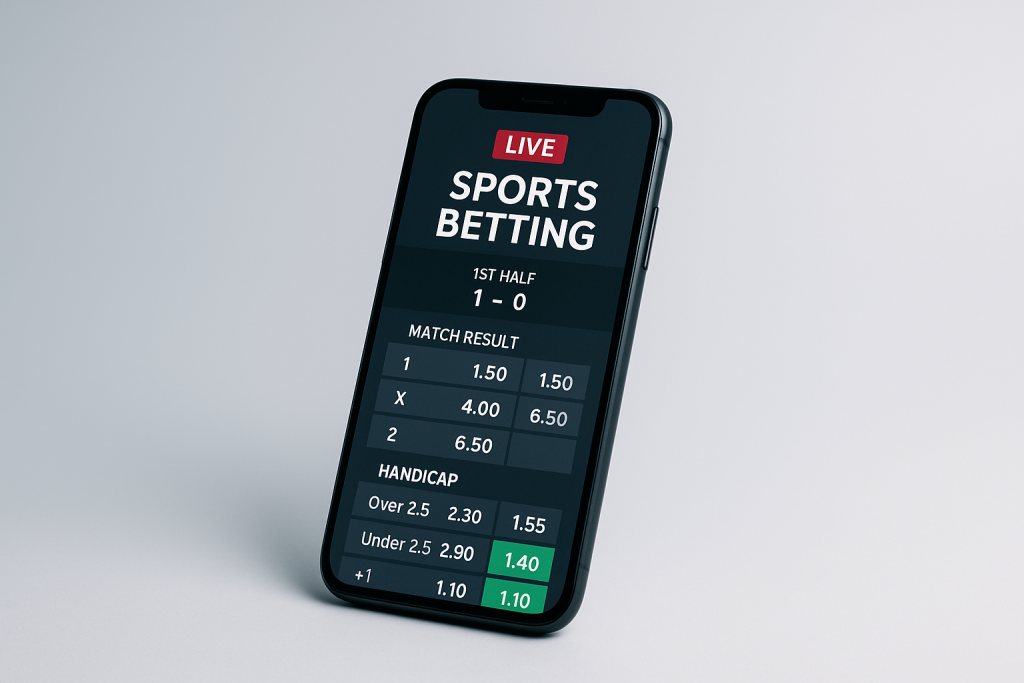
Match nights deserve calm. The trouble starts when a look-alike page begs for a “codec,” auto quality jitters during a powerplay, or a phone gets hot right as the final minutes stretch long. A smoother night comes from small, boring habits that always pay off – choose a source that behaves like a real service, prepare the phone once, then lock a few settings to match the network that actually exists. This isn’t theory. It’s the difference between watching a clean swing at middle and staring at a frozen frame while friends shout from the next room. Use the steps below and the game takes the lead again.
Pick the right app path, skip the mirrors
Everything good begins with the address bar and the install path. A safe stream loads over https, shows a brand that can be traced, and never asks for contacts, SMS, or device-admin rights. Read the permission card like a checklist during install. A viewer needs network, media, and basic notifications – nothing else. Keep one browser profile used only for watching, logged into nothing, with pop-ups and site notifications off. Update the app earlier in the day, not at first ball, because forced patches land at bad moments. These dull moves stop most stalls that people blame on “luck” and turn the first tap into a routine instead of a scramble.
During prep, a quick sanity check against a clear setup page keeps fingers away from junk. Mid-planning, it helps to glance at the vendor wiki for the desi app to understand normal permissions, screens, and steps, then return to the provider used for viewing on its main domain. Treat that page like a map, not a sales pitch, and confirm the exact address before opening night mode. Add two alerts – one a day ahead for updates and storage, another twenty minutes before play to open the app and test audio – and the rush that spawns mirror clicks tends to vanish.
Set picture and data for the network that actually exists
Sharp specs on a box do little when a tower is crowded. Lock a steady resolution and stop chasing bitrates. On mobile data, 480p or 720p hits the sweet spot for clarity, heat, and battery. On strong home Wi-Fi, 1080p is fine once it proves stable. Expect roughly 0.8–1.5 GB per hour at 720p and about 2–3 GB per hour at 1080p depending on frame rate, so set a monthly data warning before a doubleheader eats the plan. Hold screen brightness steady to limit heat and throttling. Wired earbuds, or low-latency Bluetooth, keep commentary in step with action and cut speaker drain. If the player has a low-latency switch, test it on a quiet afternoon and pick the fastest stable level for match night.
A one-minute pre-game checklist that actually saves nights
A tiny loop before the toss clears most friction. Run it once, reuse it forever. Start by opening the app ten minutes early to catch logins and updates with time to spare. Clear recent apps so the player owns the lane. Keep the phone on a firm, cool surface, since soft cushions trap heat and invite clock drops. Cap background refresh for chat and cloud so they cannot steal bandwidth during key plays. Finally, seat the main screen near the router for watch parties and keep an HDMI or solid USB-C adapter ready for TV use when Wi-Fi feels twitchy. Little steps like these feel dull and deliver steady pictures when nerves rise.
- Verify the domain padlock and spelling, then avoid mirrors.
- Close other video apps and set Do Not Disturb for the match window.
- Lock resolution for the venue – 480p/720p on the move, higher at home.
- Keep one payment method current to avoid failed renewals at kickoff.
- Place a spare charger within reach, so heat stays low while the innings runs long.
Keep friends in sync and spoilers off the screen
Mixed buffers split a room fast. Use the same platform across the group when possible, since one app’s default delay usually differs from another’s by a few seconds. Re-align at the first ad break with a pause-and-play three-count, and most drift disappears. Mute live score pushes and social banners until the last ball because those alerts often arrive ahead of video. If one feed keeps leading, bump its buffer one step up or add a tiny pause at the next break. Keep audio clean and steady. Clear commentary helps everyone ride out brief picture dips without missing a field shuffle that sets up a skied catch at deep square.
Close cleanly and start faster tomorrow
Ending well is part of the plan. Close the player from inside the app, clear recent apps, and note what worked – device model, app version, network, and the locked quality – so the next fixture opens without guesswork. Review permissions once a month and strip anything that does not serve video, login, or payments. Hold the two-alert habit so updates happen with time to spare and the sound check happens before the anthem. With source checks set, device hygiene handled, and settings fixed for real bandwidth, match nights stop feeling like tech drills. The stream holds its line, reactions land together, and the room rises in the same second when the ball kisses middle and the ground roars.