

When a cat starts urinating outside the box, most owners assume the cat is being difficult. In reality, the cat is usually responding to something the owner cannot see: a box that is too small, litter that is too deep or too shallow, a location that feels unsafe, or a cleaning product that leaves an unwelcome smell. The behavior looks like a cat problem but is almost always a setup problem.
The frustrating part is that the mistakes are ordinary. They are the choices almost everyone makes when they set up a litter station for the first time, often based on what looks tidy rather than what the cat needs. This article lists the errors that cause the most trouble, explains why each one backfires, and shows the fix. Correcting even a few of them often resolves problems that have lasted for months.
Buying a Box That Is Too Small
This is the single most common mistake, and it is almost invisible because a small box looks neat in a corner. A box should be about one and a half times the length of your cat, which means many adult cats need a box far larger than the standard pet-store size. In an undersized box, the cat cannot turn around, dig, and cover without touching the sides or stepping in waste.
The fix is straightforward: measure your cat and size up. A large cat litter box takes more floor space but prevents the most common cause of accidents. If space is tight, choose a tall box with a smaller footprint rather than a short box that forces the cat to crouch. Height costs nothing in floor area and gives the cat room to stand and turn.
Ignoring the Cat’s Age and Mobility
Kittens and senior cats need low entries. A high-sided box that suits a healthy adult becomes a barrier for a cat with stiff joints or short legs. If your cat is older, watch for hesitation at the entry, or for urine deposited just outside the door. Both signal that the climb is the problem, not the litter.
The fix is a low-entry box or a ramp. For a cat that still needs containment, look for a box with a low front and high back, which gives easy access without sacrificing splash protection. Re-evaluate the setup as the cat ages, because a box that worked at three years old may fail at twelve.
Getting Litter Depth Wrong
Both too little and too much litter cause problems. Shallow litter lets urine reach the bottom of the pan, where it bonds to the plastic and resists scooping. Deep litter, especially in a small box, pushes waste toward the cat’s paws and causes tracking and sticking to the fur. The right depth is usually around seven to ten centimeters, adjusted for the litter type and the box size.
The fix is to fill to a consistent level and maintain it after every scoop. Most owners let the level fall without noticing, and that slow decline is when sticking begins. Draw a line on the outside of the box to mark the correct depth, and top up to that line daily. Consistency matters more than the exact number.
Choosing Litter for the Owner, Not the Cat
Scented litters, crystal beads, and heavily deodorized formulas appeal to humans but can irritate a cat’s sensitive nose and paws. A cat that dislikes the litter may use the box reluctantly, hold its waste, or avoid the box altogether. Texture matters too: many cats prefer fine, unscented clumping litter because it feels like soil to dig in.
The fix is to start with a simple unscented clumping litter and change one variable at a time. If you must switch, mix the new litter into the old over a week rather than replacing it all at once. Watch how the cat digs and covers; a cat that digs enthusiastically is comfortable, while one that steps in and out quickly is telling you something.
Placing the Box in the Wrong Spot
Cats need privacy, quiet, and an escape route. A box next to a noisy washing machine, in a high-traffic hallway, or at the end of a dead-end closet forces the cat to choose between comfort and safety. Many owners hide the box in a remote corner to keep it out of sight, which is exactly where a cat feels most vulnerable.
The fix is to place the box where the cat can see someone approaching from a distance and has more than one way out. Keep it away from food and water, since cats instinctively avoid eliminating near their meals. A spare bedroom, a quiet corner of a living room, or a bathroom with the door propped open all work better than a locked closet or a cold garage.
Forgetting Airflow and Temperature
A box in a humid bathroom or a sealed closet traps ammonia and turns the whole space sour. A box in a garage that swings from freezing to stifling makes litter clump poorly and can discourage the cat from using it at all. Temperature and ventilation affect both odor and the cat’s willingness to enter.
The fix is a stable indoor spot with some air movement and no direct sun. If you must use a bathroom, run the fan or leave the door ajar. If you use a hood, choose a vented design or remove the hood periodically to let the box air out. Fresh air does more for odor than any scented product.
Cleaning Mistakes That Undo the Setup
Using strong bleach or scented cleaners leaves residue that many cats dislike, and a cat that avoids a freshly cleaned box may eliminate elsewhere. Harsh cleaners can also damage plastic, creating scratches that harbor bacteria. The fix is mild soap and hot water for routine washes, with thorough rinsing, and a full litter change every few weeks.
Skipping full changes is the opposite error. Scooping removes solids but leaves urine-soaked fines at the bottom that never clump. Over time that layer sours the entire box, and no amount of scooping fixes it. Set a calendar reminder for a full change based on the number of cats, and stick to it even when the box looks clean.
Another quiet mistake is cleaning the box while the cat watches and then expecting immediate use. Some cats are wary of a freshly scrubbed box and prefer it to air out. Let the box dry completely before refilling, and keep a second box available so the cat always has a familiar option during cleaning.
Owners also tend to replace the whole litter supply at once when switching brands. A sudden change in texture and scent can make a cat reject the box for days, and the resulting accidents are blamed on the box rather than the switch. Blend the new litter into the old over a week or more, and keep the old brand on hand until the cat is clearly using the new one without hesitation.
One Box for a Whole Household
A single box in a multi-cat home becomes a point of tension. Cats guard resources, and a cat that is blocked from the box may eliminate elsewhere. Even a single cat benefits from a second box on another floor, because a cat that has to travel far may decide the carpet is closer. The fix is one box per cat plus one extra, spread across different rooms.
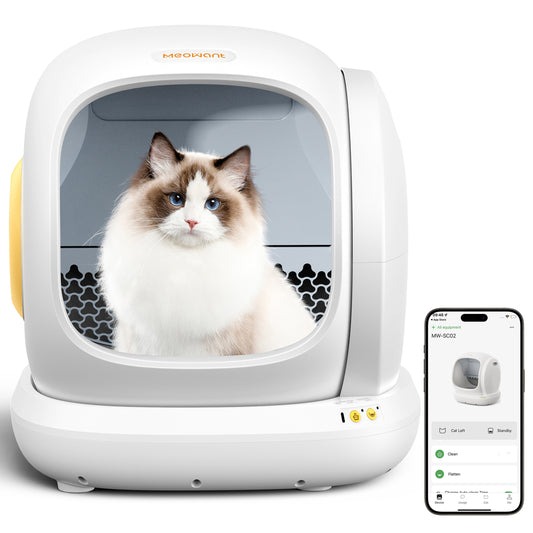
Meowant designs litter boxes with the practical details that prevent these mistakes, from generous interior space and low-entry options to smooth interiors that release clumps cleanly. The point is not to buy more equipment but to remove the small friction points that push a cat away from the box.
Small Fixes, Fewer Accidents
Most litter box problems trace back to a handful of ordinary mistakes: a box that is too small, litter that is too shallow, a location that feels unsafe, or cleaning habits that fight the cat instead of helping it. None of these require a new cat or a behavioral specialist to fix. They require looking at the setup from the cat’s point of view.
Measure the box against your cat, keep litter at a consistent depth, choose unscented litter, place the box where the cat feels safe, and clean gently but thoroughly. Add a second box before you think you need one. Correct those few things and the mess, the odor, and the avoidance usually fade together. A cat that trusts its box is a cat that uses it reliably.