

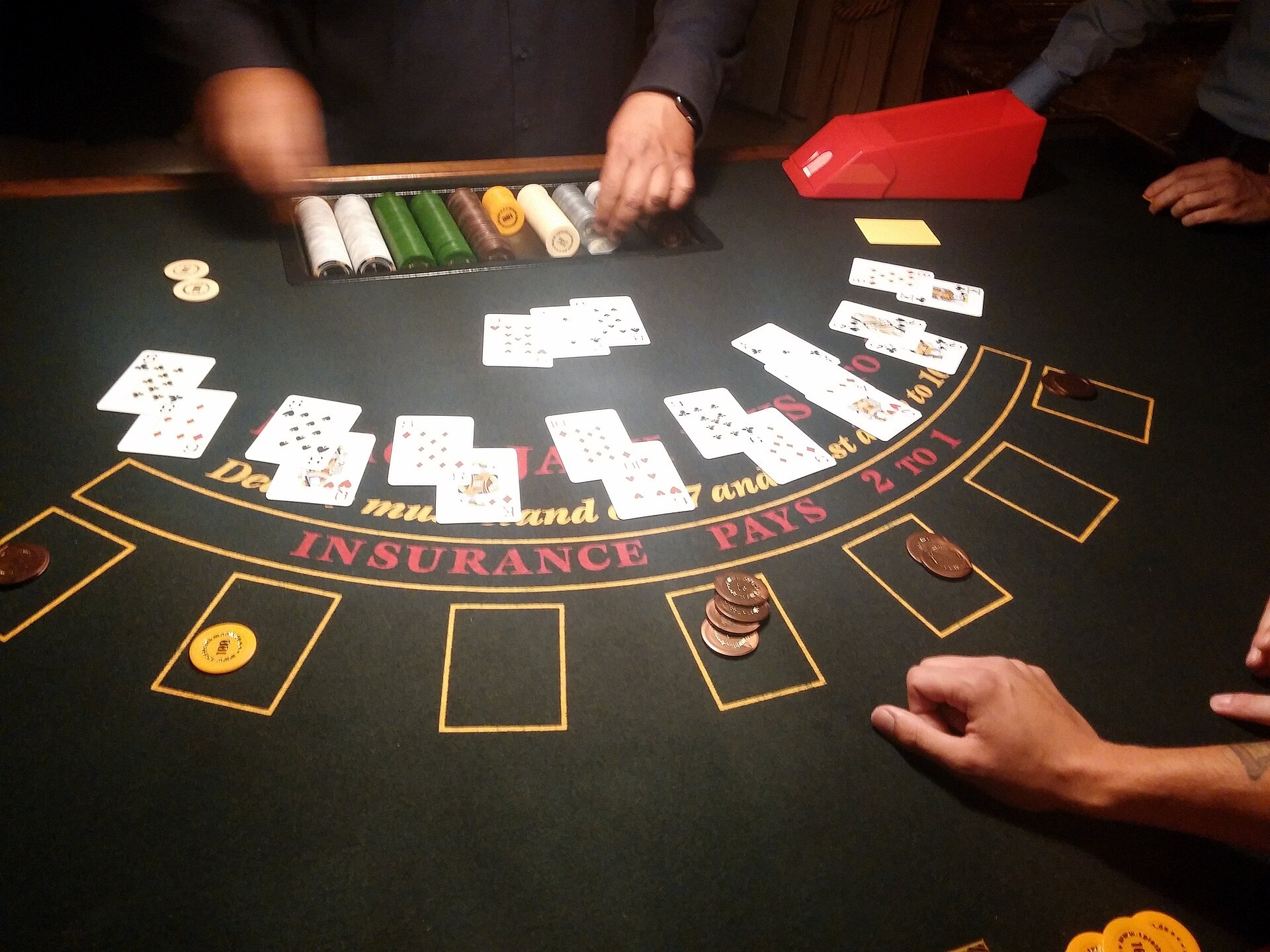
Every online casino game ends with the same quiet question in the back of a player’s mind: was that result genuinely random, or did the machine decide in advance that I should lose? It is a fair question, and the honest answer lies in a piece of technology that most players never see — the random number generator. Understanding how it works, and what security surrounds it, separates informed players from suspicious ones.
This article explains the machinery of fairness in plain language. We will look at what a random number generator actually does inside slots and electronic table games, how independent laboratories test it, what encryption and account protections guard your money and data at v8club, and which checks you can perform yourself before trusting any platform with a deposit.
What a Random Number Generator Actually Does
A random number generator, or RNG, is a program that produces a continuous stream of numbers, thousands of them every second, with no pattern connecting one to the next. In a slot machine, each number corresponds to a combination of symbols on the reels. The crucial detail is timing: the outcome of a spin is fixed at the exact millisecond you press the button, because that is the moment the machine takes the next number from the stream. Nothing that happened before — a big win, a long losing streak, another player’s jackpot — has any influence on which number comes next.
Modern generators are technically pseudo-random, meaning they start from a seed value and apply a complex mathematical process that produces results statistically indistinguishable from true randomness. The seed itself may be drawn from unpredictable physical sources such as system clock fragments or hardware noise. What matters for players is the outcome: each spin, card or dice roll is an independent event. The machine has no memory, no mood and no quota of wins it is trying to withhold, which is why strategies based on a game being “due” a payout cannot work.
Independent Testing and Certification
Because players cannot inspect the code themselves, fairness depends on outside verification. Reputable testing laboratories — organisations such as eCOGRA, iTech Labs and GLI — examine a platform’s RNG over millions of simulated rounds. They check that every outcome occurs with the frequency mathematics predicts, that no numbers repeat in exploitable patterns, and that the published return-to-player percentage matches the real long-run behaviour of the game. Software that passes receives a certificate, and the platform is re-audited periodically rather than once and forever.
When you visit a casino site, look for these laboratory logos in the footer and, ideally, follow them to a verification page that confirms the certificate is current. Platforms including v8club.in.net display their licensing and testing information publicly because it is a selling point; a site that hides who regulates it, or claims certification it cannot evidence, is giving you useful information about itself as well. Checking takes two minutes and is the single most effective filter between trustworthy operators and the rest.
Encryption, Accounts and the Security Around the Games
Fair games are only half of the safety picture; the other half is whether your money and personal data are protected while you play. The baseline is transport encryption — the padlock in your browser — which scrambles everything travelling between your device and the server using TLS, the same technology that protects online banking. Behind that, reputable platforms store passwords as cryptographic hashes rather than readable text, segregate player funds from operating accounts, and monitor accounts for impossible patterns such as logins from two countries within the same hour.
Your own habits complete the system. Two-factor authentication stops most account-takeover attempts cold, because a stolen password alone is no longer enough to get in. Unique passwords matter for the same reason: credential leaks from unrelated websites are routinely tested against gaming accounts within hours. Log out of shared devices, keep your recovery email secure, and treat any message asking you to “confirm” your password through a link as hostile until proven otherwise. The platform’s security team can do a great deal, but the final layer is always the player.
Checks You Can Run Yourself
Beyond certificates, there are practical tests any player can apply. Published return-to-player figures should be easy to find for each game, usually inside the information panel; a slot that conceals its RTP is asking you to play blind. Game history is another useful feature: being able to review your past rounds, with timestamps and outcomes, lets you confirm that results were recorded exactly as they appeared. Some live and provably fair formats go further, allowing you to verify an individual round against a cryptographic hash published before the cards were dealt.
Published audit summaries are another sign worth looking for. Serious operators release monthly reports from their testing laboratory showing the measured payout percentages for slots, table games and the platform as a whole, compared against the theoretical figures. A platform that consistently lands within a fraction of a percent of its published numbers is demonstrating fairness with data rather than asking for faith. If a site advertises certified games but cannot produce a recent report, or the report predates a major software change, treat the certificate as decoration rather than evidence and lower your trust accordingly.
Finally, judge the platform by how it behaves when something goes wrong. A trustworthy operator has a visible complaints process, answers questions about specific rounds with reference numbers rather than slogans, and never pressures you to deposit more in order to “unlock” the resolution of a dispute. Fairness, in the end, is not a single technology but a stack: a properly tested RNG at the bottom, encryption and fund protection in the middle, and accountable customer practices on top. When all three layers are present — as they should be on any platform worth your time — the results on the screen deserve your trust, whether they happen to favour you today or not.