
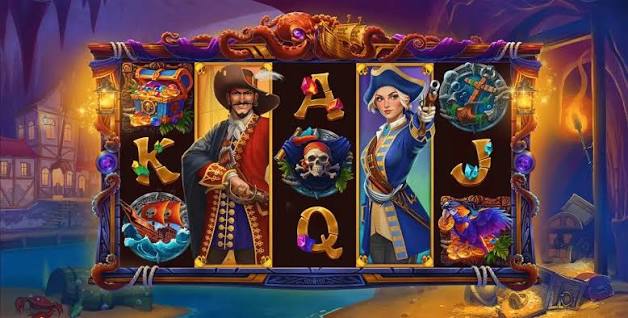
Fruit, gems, animals and fantasy characters make slot games easy to recognise at a glance. The same visual language can also encourage assumptions that one game’s symbols behave like another’s. A familiar picture is not a reliable substitute for the rules attached to it.
For adults reading about online slots where lawful, understanding visual design begins with separating appearance from function. This guide explains how to read symbols, feature cues and payout displays without assuming that attractive artwork reveals probability or value. The aim is clearer interpretation, rather than a strategy for predicting results.
What does a symbol tell you
A symbol identifies an element used by the particular game. Its function depends on the paytable and rules, including where it appears and how it interacts with other elements.
Two games can use a similar image while assigning it different roles. A star might be an ordinary paying symbol in one game and a special trigger in another.
Read the product’s own explanation before transferring knowledge from a familiar design. The useful question is what the symbol does under the stated rules, not what it has done elsewhere.
Recognise category language without assigning extra meaning
A slot page may use familiar imagery to describe slot entertainment. That category does not specify the rules of every game displayed on it.
Promotional language such as slot gacor may suggest frequent wins, but the artwork beside the phrase cannot establish a probability advantage. A bright symbol and a confident caption remain presentation until the relevant claim is defined and supported.
For a practical reading method, locate the paytable first. Use it as the reference for ordinary symbols, special symbols and feature conditions rather than interpreting a lobby thumbnail as an instruction sheet.
Read ordinary paying symbols in context
An ordinary symbol may contribute to a payout when it appears in a defined combination. The required count, direction and arrangement should be explained in the rules.
Check whether the game uses fixed lines, selectable lines, clusters or another system. The visual arrangement alone may not make the winning condition clear.
For a hypothetical example, three identical icons might pay only under a stated arrangement. Seeing three matching images elsewhere on the screen would not necessarily satisfy that condition. The example illustrates why the layout and rules must be read together.
Check what a wild can substitute for
A wild symbol often substitutes for other symbols, but the scope can vary. Exceptions may apply to special triggers, particular positions or features.
Look for the exact explanation rather than assuming that wild means any symbol in every circumstance. If the paytable uses an icon to show an exception, check the accompanying text.
Watch feature-specific behaviour
A wild may behave differently during a bonus feature than during an ordinary round. It could expand, remain in position or interact with another mechanism according to the particular rules.
Do not infer those behaviours from animation alone. The documented conditions should explain when the change occurs and what it affects.
Understand scatter and feature triggers
A scatter can have a role that differs from ordinary line-based symbols. The game may require a stated number of scatters to activate a feature or award a defined return.
Read how many are needed and whether every position counts. A symbol appearing close to another required symbol does not establish that the trigger condition was met.
This is also why a dramatic near-trigger animation should not be read as a promise that the next round is more favourable. Visual proximity and future probability are separate questions.
Distinguish payout amounts from net results
A display can celebrate a return even when that return is smaller than the total stake. To understand the financial result, compare the amount returned with the full amount wagered for the action.
In a hypothetical round with a two-unit stake and a half-unit return, the net change is a loss of one and a half units. A flashing payout panel does not change that arithmetic.
Read the currency and stake settings carefully. Coin values, credits and cash units can be displayed differently, so establish which unit each figure represents before comparing them.
Use sound and animation as presentation cues only
Sounds and visual effects can draw attention to an event. They do not independently define its financial meaning or predict what happens next.
If effects make it difficult to read the stake or result, check for supported settings that reduce sound or motion. Such a change can improve comfort without changing the rules.
For readers interested in accessible design, W3C’s introduction to web accessibility explains why information should remain usable across different needs and ways of interacting. A colourful effect should not be the only way an important event is communicated.
Read maximum figures with their conditions
A maximum multiplier or prize figure describes an upper limit under defined conditions. It does not identify a typical return or the probability of reaching the limit.
Check the base amount used in the calculation and whether the maximum applies to a particular feature or the complete game. Avoid combining a large headline multiplier with a stake from a different configuration.
If the conditions are unclear, ask for the relevant rules. The size of a number does not make its meaning self-explanatory.
Assess whether the rules are visually readable
A well-presented rules panel should remain readable on the device being used. Check text enlargement, contrast and whether a close button or overlay hides important information.
Look for descriptions alongside unfamiliar icons. People should not have to distinguish two nearly identical colours to understand a consequential difference.
Preserve the relationship between image and explanation
If the rules use a diagram, check that the caption identifies what it shows. A demonstration should make clear whether it illustrates a paying combination, an excluded arrangement or a feature trigger.
A label such as example is useful when the image is hypothetical rather than a record of actual play.
A practical way to learn a new game’s visual language
Before considering any action, work through a short sequence:
- Identify the full stake and the unit in which values are displayed.
- Read the ordinary winning arrangements.
- Check wild substitutions and exceptions.
- Read scatter and feature-trigger conditions.
- Establish how a displayed return compares with the stake.
- Review any separate cost attached to an optional feature.
This sequence connects the visual experience with the rules that give it meaning. It does not require a deposit to make unclear information clearer.
Frequently asked questions
Do similar symbols always have the same function
No. The function depends on the specific game’s rules and configuration. Read the relevant paytable rather than assuming a shared meaning.
Does a celebrated payout mean the round was profitable
Not necessarily. Compare the full return with the total stake for that action to understand the net result.
Can a near-trigger animation predict the next round
The visual event alone does not establish a prediction. Future probability requires an appropriate model and evidence, not an impression created by the artwork.
Let the rules explain the pictures
Slot game symbols are easier to understand when their visual appeal is kept separate from their documented function. Clear explanations of combinations, stakes and special features matter more than familiarity with the theme.
Before using a new game, read its visual language through the paytable. If a symbol, unit or feature cost remains unclear, request an explanation or stop there. A well-understood rule is more useful than a confident guess based on an attractive icon.