

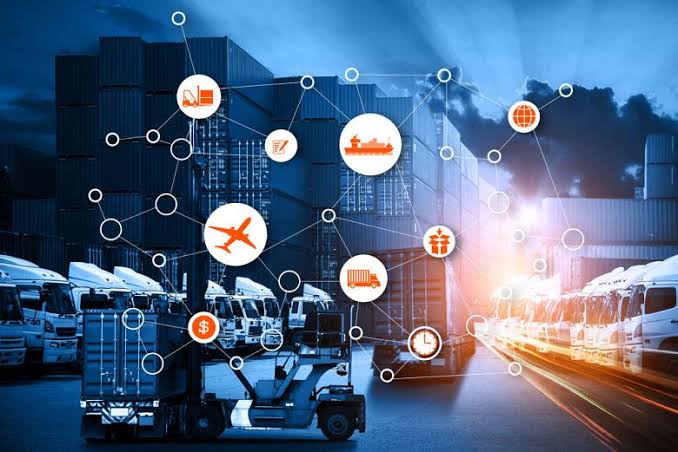
Businesses and individuals alike expect speed, visibility, flexibility, and affordability. As online shopping continues to grow and supply chains become increasingly interconnected, smarter shipping strategies have become essential for reducing costs, improving customer satisfaction, and staying competitive.
Whether you are a small business owner, an online retailer, or someone arranging a one-off delivery, understanding modern shipping practices can make every shipment more efficient.
The Shift Toward Smarter Shipping
Traditional shipping methods often relied on fixed routes, limited carrier options, and manual planning. Today, technology has transformed the logistics industry by making it easier to compare services, track deliveries in real time, and optimize transport decisions.
Businesses can now access digital platforms that connect them with multiple carriers, helping them find solutions that match their delivery requirements, budget, and schedule. This flexibility reduces unnecessary expenses while improving the overall shipping experience.
Why Visibility Matters
One of the biggest improvements in modern shipping is increased visibility. Customers expect to know exactly where their parcels are throughout the delivery journey.
Real-time tracking allows both senders and recipients to monitor shipments from dispatch to delivery. This transparency builds trust, reduces customer inquiries, and enables businesses to respond quickly if unexpected delays occur.
For companies managing multiple shipments daily, centralized tracking systems also simplify logistics management by keeping all shipment information in one place.
Balancing Cost and Speed
Fast shipping is important, but it isn’t always necessary. Many businesses overspend on premium delivery services when standard shipping would meet customer expectations just as effectively.
Smarter shipping involves selecting the right delivery option based on urgency, package size, destination, and customer preferences. Comparing different transport providers before booking often leads to significant savings without sacrificing service quality.
Using digital comparison platforms can also reveal alternative transport options that may not be immediately obvious through traditional courier services.
Sustainability Is Becoming a Priority
Environmental responsibility has become an important consideration for both businesses and consumers. Shipping companies are increasingly looking for ways to reduce carbon emissions through route optimization, better vehicle utilization, and improved logistics planning.
Consolidating shipments, reducing empty vehicle journeys, and selecting efficient transport methods all contribute to a more sustainable supply chain. Customers are also becoming more likely to support businesses that actively demonstrate environmentally responsible shipping practices.
Flexibility for Different Shipping Needs
Every shipment is unique. A small parcel, household furniture, commercial equipment, and specialist items all require different handling and transport arrangements.
Rather than relying on a single courier for every job, many people now choose platforms that provide access to a wider network of transport providers. This approach makes it easier to find suitable services for unusual or oversized deliveries while maintaining competitive pricing.
For example, Shiply shipping services help connect customers with transport providers for a wide variety of shipping requirements, offering flexibility for both personal and business deliveries.
The Role of Data in Better Shipping Decisions
Modern logistics increasingly relies on data to improve performance. Shipping businesses analyze delivery times, customer feedback, carrier reliability, and route efficiency to identify opportunities for improvement.
These insights help companies predict demand, reduce delays, optimize inventory, and make informed decisions about future shipping strategies. Even small businesses can benefit from reviewing shipping performance regularly to identify cost-saving opportunities.
Preparing for the Future of Logistics
The shipping industry continues to evolve as automation, artificial intelligence, and digital marketplaces become more widely adopted. Businesses that embrace these innovations can improve operational efficiency while providing better customer experiences.
Smarter shipping is no longer simply about choosing the cheapest courier. It involves balancing cost, speed, reliability, sustainability, and customer expectations through informed decision-making and the use of modern logistics tools.
As customer expectations continue to rise, adopting smarter shipping practices today will help ensure greater flexibility, stronger customer satisfaction, and long-term success in an increasingly connected global marketplace.