

Not every serious health condition begins with obvious warning signs. Some develop so slowly that people don’t realize anything is wrong until the changes become too noticeable to ignore.
That’s often the case with acromegaly, a rare hormonal disorder that can quietly affect the body for years before being diagnosed. Because the symptoms tend to appear gradually, many people brush them off as stress, aging, weight gain, or “just one of those things.”
The problem is that acromegaly is not something to take lightly. If left untreated, it can lead to major health complications.
Here are some of the subtle signs that often go unnoticed.
1. Your Ring Size or Shoe Size Changes
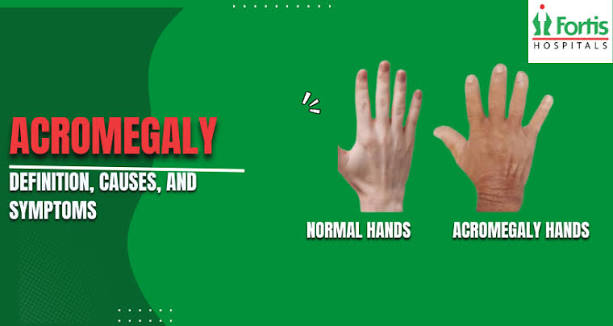
One of the earliest and most overlooked signs of acromegaly is a gradual increase in the size of the hands and feet.
A ring that used to fit comfortably may suddenly feel tight. Shoes may feel smaller even though there has been no obvious reason for the change. Since this usually happens slowly over time, many people don’t think much of it.
But when the body is producing too much growth hormone, these changes can happen little by little.
2. Your Face Starts Looking Slightly Different
This is one of the most common signs, but also one of the easiest to miss when it happens gradually.
Changes in the jawline, forehead, nose, lips, or spacing between the teeth can occur over time. Since people see themselves every day, they often don’t notice subtle facial changes until comparing older photos.
Sometimes, family or friends notice it before the person does.
3. You Keep Getting Headaches
Frequent headaches can happen for many reasons, so they’re easy to ignore. But in acromegaly, headaches may be linked to a pituitary tumor, which is the most common cause of the condition.
Not every headache means something serious, obviously. But recurring headaches combined with other unusual body changes should not be dismissed too quickly.
4. You Sweat More Than Usual
Excessive sweating is another symptom people often brush off.
Some assume it’s due to weather, stress, hormones, or poor sleep. But acromegaly can affect how the body regulates tissue growth and internal function, which may lead to increased sweating and oily skin.
When this appears alongside other symptoms, it may be more than just a random change.
5. Your Joints Start Hurting More Often
Joint pain and stiffness are often blamed on age or overuse, but they can also be linked to hormonal disorders.
Acromegaly can place abnormal pressure on bones, joints, and soft tissues, which may lead to discomfort in the knees, hands, back, or other areas.
This is one reason the condition can significantly affect quality of life if left untreated.
6. You Feel Tired All the Time
Persistent fatigue is one of those symptoms that can point to almost anything—which is exactly why it gets ignored so often.
People may assume they’re just overworked, sleeping badly, or mentally drained. But hormonal imbalances can absolutely contribute to long-term exhaustion.
When fatigue appears alongside physical changes, it becomes much more important to pay attention.
7. You Snore More or Sleep Worse
Sleep issues are surprisingly common in people with acromegaly.
As soft tissues enlarge, the airway can become more restricted, increasing the risk of snoring and sleep apnea. Many people never connect poor sleep with an endocrine condition, which is why this symptom often gets overlooked.
Poor sleep may seem like a separate issue, but in some cases, it can be part of a much bigger picture.
Why Early Diagnosis Matters
Acromegaly is usually caused by a benign tumor in the pituitary gland, which leads to excessive production of growth hormone. Over time, that hormone imbalance can affect multiple systems in the body.
If untreated, acromegaly may increase the risk of:
High blood pressure
Type 2 diabetes
Heart complications
Sleep apnea
Joint damage
Hormonal dysfunction
That’s why early diagnosis is so important. The earlier the condition is identified, the better the chances of controlling symptoms and preventing long-term complications.
How Acromegaly Is Treated
Treatment depends on the cause and severity of the condition. In many cases, doctors may recommend:
Surgery to remove the pituitary tumor
Medication to reduce or block growth hormone activity
Radiation therapy if other treatments are not fully effective
For those who want a more detailed medical explanation of ENDOCRINOLOGY Acromegaly Treatment and Management
, specialist guidance can help explain how diagnosis, treatment, and long-term monitoring usually work.
Final Thoughts
Acromegaly is rare, but the signs are often hiding in everyday changes that people tend to ignore.
A tighter ring. A changed jawline. Constant fatigue. More sweating. Worse sleep.
On their own, these symptoms may not seem dramatic. But together, they can tell a very different story.
Sometimes the body whispers before it starts screaming.